The Power of Family Photos in Your Home: Boosting Mental Health, Self-Esteem, and Belonging
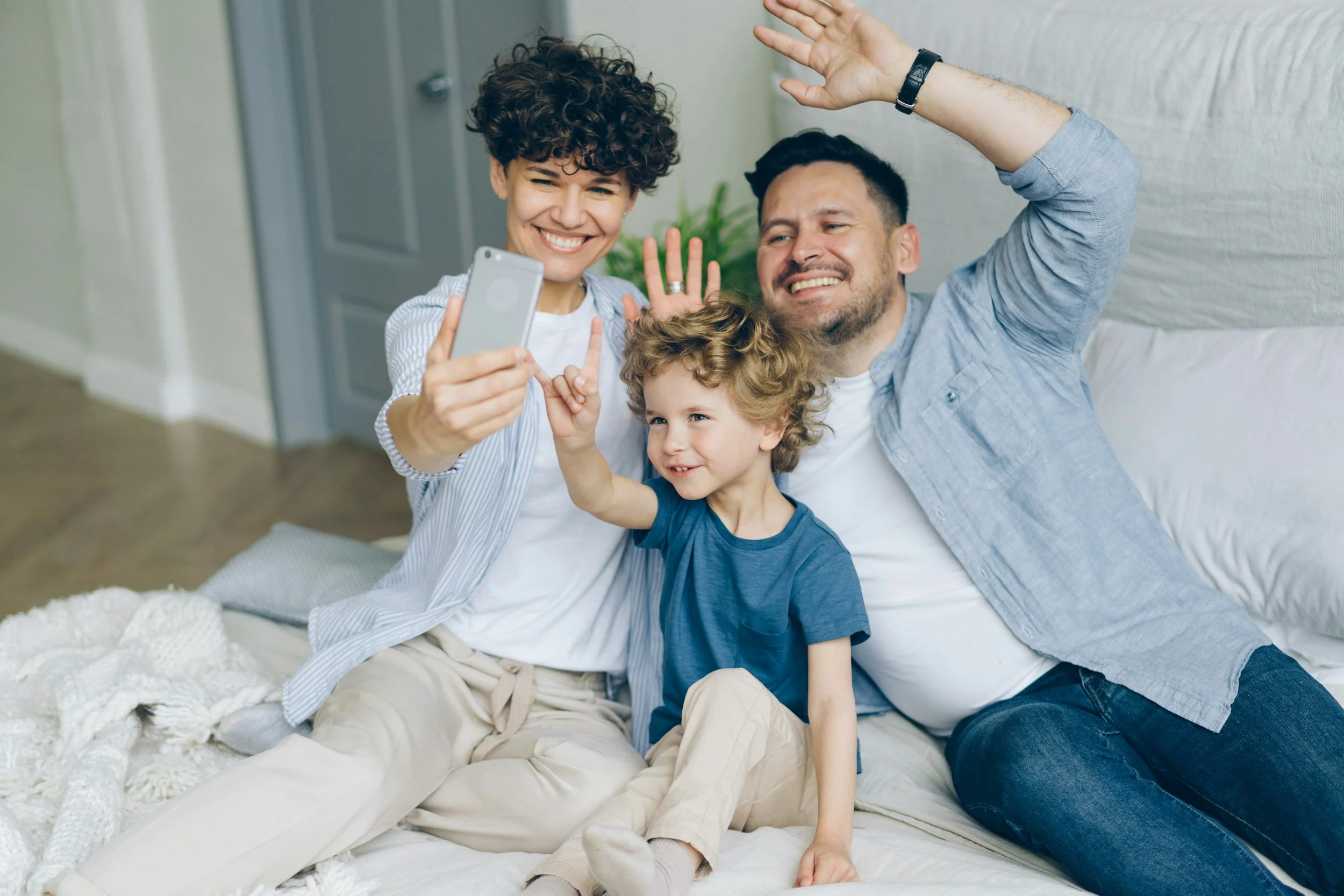
Family Pic
Why You Should Have Family Photos in Your Home and How It Impacts Your Mental Health and Family Connectedness
When was the last time you paused to look at the photos hanging on your walls? Those moments captured in frames, the smiles, the milestones, the everyday joy—they’re not just decorative elements. They are powerful tools that can significantly impact our mental health and sense of belonging. In a world where we are constantly bombarded with digital images, there’s something uniquely comforting about a physical photo. Let’s explore how having family pictures displayed in your home can benefit your self-esteem, confidence, and overall mental well-being, particularly for children and families.
A Visual Reminder of Love and Connection
Family photos serve as a visual reminder of the love and connections we share. They capture moments of joy, togetherness, and achievement, acting as a constant reinforcement of the positive aspects of our lives. This visual affirmation is crucial for mental health. When we see these images daily, they remind us that we are part of something bigger than ourselves—a family.
For children, this sense of belonging is particularly important. Research has shown that children who feel a strong sense of connection to their family are more likely to develop higher self-esteem and confidence. Family photos help reinforce this connection. They tell a story of belonging, of being valued, and of being loved. These are foundational elements for building a healthy self-image. Research has also shown children who had a home with family photos on the wall had a healthier self perception, increased self-esteem, and a stronger sense of family identity and belongingness.
Building Self-Esteem and Confidence
Self-esteem and confidence are closely linked to how we see ourselves and our place in the world. Family photos can play a crucial role in shaping this perspective. For children, seeing pictures of themselves with their family can reinforce their identity and boost their self-worth. It shows them that they are an integral part of the family unit.
Dr. David Krauss, a licensed psychologist and expert in the therapeutic use of photographs, suggests that family photos can help children understand their role in the family. “It’s important for children to see themselves as a valued and important part of that family unit,” he says. “It gives them a sense of place and belonging, which is foundational for self-esteem.”
These photos can remind children of their achievements and the support they have from their family. Whether it’s a picture from a birthday party, a family vacation, or a simple day at the park, these images can be a powerful reminder of happy times and personal accomplishments. This constant, positive reinforcement can help children develop a more positive self-image and greater confidence.
Stories are shaped through photos and shared experiences. Images help us remember who we are, where we came from, and even where we are going. Stories shape internal narratives about ourselves. Images like photos preserve those core beliefs, values, and heritage.
Strengthening Family Bonds
Family photos don’t just benefit individual members—they strengthen the bonds between them. Displaying family photos prominently in the home sends a message that the family unit is important and worth celebrating. It encourages family members to reflect on shared experiences and memories, fostering a sense of unity.
For parents, these photos can be a reminder of the journey they’ve taken with their children—the challenges, the triumphs, and everything in between. For children, it’s a visual narrative of their growth and the love and support they’ve received along the way. This shared history can be a powerful tool for building strong, resilient family bonds.
Reducing Stress and Anxiety
In our fast-paced world, stress and anxiety are common issues for both adults and children. Family photos can serve as a calming influence. Seeing familiar faces and happy moments can evoke feelings of comfort and security, helping to reduce stress levels.
Research has shown that looking at photos of loved ones can trigger the release of oxytocin, often referred to as the “love hormone.” Oxytocin is known to promote feelings of bonding and relaxation. By displaying family photos in your home, you create an environment filled with visual cues that can help reduce anxiety and promote a sense of well-being.
Encouraging Positive Family Interactions
Family photos can also encourage positive interactions among family members. They can serve as conversation starters, prompting family members to share stories and reminisce about good times. This can lead to more meaningful and enjoyable interactions, helping to strengthen relationships.
For children, discussing the stories behind family photos can be an opportunity to learn more about their family history and develop a deeper understanding of their heritage. This can be particularly important for their sense of identity and belonging. Knowing where they come from and the experiences that have shaped their family can give children a greater sense of purpose and connection.
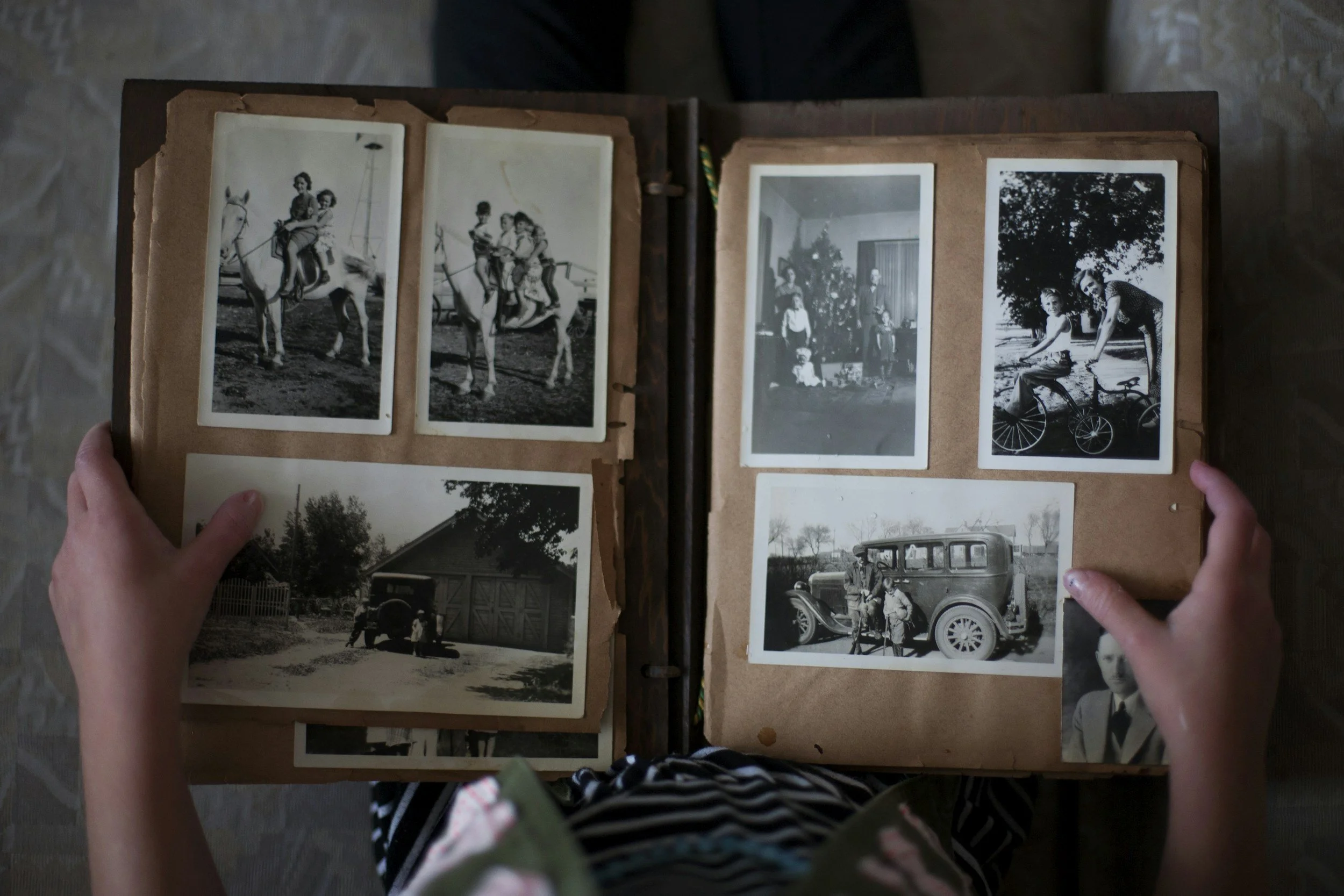
Family Photo Album
Practical Tips for Displaying Family Photos
Now that we’ve explored the benefits of having family photos in your home, here are some practical tips for displaying them:
Create a Photo Wall: Dedicate a wall in your home to a collage of family photos. This can be a dynamic display that you update regularly with new photos.
Use Frames of Different Sizes and Styles: Mix and match frames to create an interesting and visually appealing display. This can add character to your home while showcasing your family’s personality.
Incorporate Photos into Everyday Spaces: Place family photos in high-traffic areas such as the living room, kitchen, and hallway. This ensures that everyone in the family sees them regularly.
Rotate Photos Seasonally: Keep things fresh by rotating your family photos seasonally. This can also help you celebrate different times of the year and keep the display interesting.
Create Themed Displays: Organize photos by theme—vacations, holidays, birthdays, or other significant events. This can make the display more meaningful and help preserve special memories.
The Therapeutic Power of Photos
The therapeutic benefits of family photos are well-documented. In therapeutic settings, photos are often used to help individuals explore their feelings, understand their relationships, and work through difficult experiences. This concept can be applied at home as well. By surrounding ourselves with images of loved ones, we create an environment that supports our emotional well-being.
For example, in family therapy, photos can be used to help families communicate more effectively. They can serve as a neutral ground for discussing feelings and experiences. At home, photos can have a similar effect, encouraging open communication and helping family members to express their emotions.
Boost Mental Health and Personal Identity
Incorporating family photos into your home decor is more than just an aesthetic choice. It’s a way to boost mental health, foster a sense of belonging, and build self-esteem and confidence, especially for children. These photos are daily reminders of the love, support, and connection that define our families. They tell our stories, celebrate our milestones, and reinforce the bonds that hold us together.
So, take a moment to look at the photos on your walls. Remember the stories they tell and the emotions they evoke. And if you haven’t already, consider adding more family photos to your home. Pinterest perfect homes are pretty, but do your walls tell a story? Does your home cultivate a sense of belonging? This is something only photos can create— not Ikea. Make them all monochrome or put them in matching frames. It might look cuter, but honestly, your children won’t care either way. All they want to know is that they have a place to belong! Will you try this simple yet powerful way to create a positive, supportive environment for you and your loved ones? Because in the end, it’s not just about the photos—it’s about the love and memories they represent.