How to Set Boundaries, Handle Offense, and Keep Your Peace
How to Set Boundaries and Handle Offenses Without Losing Your Peace
Have you ever walked away from a conversation replaying what you should’ve said? Or maybe you’ve tried to set a boundary, only to feel guilty or misunderstood afterward?
You’re not alone. Boundaries and offense go hand in hand. When we start setting healthy boundaries, it’s not uncommon for people to push back. But here's the good news: You can set boundaries and maintain emotional and spiritual peace. Let’s talk about how.
💬 First, What Are Boundaries?
Think of boundaries as the lines that define where you end and someone else begins. They help protect your time, energy, emotions, and values.
Dr. Henry Cloud, co-author of Boundaries, explains that “healthy boundaries define what is me and what is not me. A boundary shows where you end and someone else begins.”
Boundaries are biblical. Proverbs 4:23 says, “Guard your heart above all else, for it determines the course of your life.” Guarding your heart is about stewardship—not selfishness.
🧠 Why Boundaries Matter for Your Mental Health
When we lack boundaries, we open the door to stress, burnout, anxiety, and even resentment. And honestly? That’s not how God designed us to live.
Here’s what research shows:
Boundary clarity is linked to lower anxiety and depression. When you know your limits, you’re less likely to overextend or people-please.
Healthy conflict resolution improves emotional well-being. People with clear boundaries navigate relational challenges with more confidence.
Self-care, which includes boundaries, increases resilience. You’re less likely to “snap” when you’re running on full rather than fumes.
🙋♀️ But What About Offense?
Let’s be honest—people get offended when you start saying no.
Jesus said, “It is impossible that no offenses should come” (Luke 17:1, NKJV). Offense is a part of life. But staying offended is a choice.
When we carry offenses without addressing them, they build up into bitterness, disconnection, and emotional turmoil.
🎯 How to Set Boundaries Without Feeling Like a Jerk
Here’s where the rubber meets the road. These tips can help you set firm but kind boundaries—even when it’s awkward or new.
1. Clarify Your Needs
You can’t communicate what you haven’t identified.
Ask yourself:
What drains me?
Where do I feel resentment?
What do I need more (or less) of in my relationships?
That’s usually where a boundary is needed.
2. Use Direct But Kind Language
Try this:
“I’m not able to take that on right now.”
“I need a little space to think before responding.”
“I care about our relationship, which is why I want to be honest with you.”
Use “I” statements to avoid sounding accusatory. Remember: kindness isn’t the same as compliance.
3. Don’t Over-Explain
You don’t owe anyone a dissertation on why you said no.
Boundaries aren’t about convincing others—they’re about protecting your peace. Over-explaining often leads to over-apologizing.
4. Expect Resistance—and Stay Grounded
If people are used to you always saying yes, your no might feel shocking at first. You are creating a new norm for yourself; people will likely notice, they may protest, they may ask if you’re feeling like yourself. That doesn’t mean you’re wrong—it means you’re growing.
Pro tip: When someone gets upset about your boundary, it often reveals how they benefited from your lack of one.
🧯How to Handle Offenses Like a Peacemaker
When someone crosses a line, you’ve got two choices: you can react out of pain, or you can respond from a place of peace.
Here’s how to process offense in a healthy way:
🛑 Step 1: Pause Before Reacting
Take time to pray, breathe, and calm your nervous system. (Seriously—your brain works better when you’re not in fight-or-flight mode.)
“Be quick to listen, slow to speak, and slow to become angry.” – James 1:19
💬 Step 2: Address the Issue—Not the Person’s Character
Stick to the facts. Share how their actions affected you, not your assumptions about their intentions.
Example: “When you canceled last-minute, I felt dismissed and disappointed. Can we talk about how to avoid that going forward?”
❤️ Step 3: Forgive—Even If You Don’t Forget
Forgiveness doesn’t mean excusing behavior or pretending it didn’t hurt. It means choosing to release someone from the debt they owe you.
Forgiveness frees you (from bitterness and resentment) more than it frees them.
“Bear with each other and forgive one another… Forgive as the Lord forgave you.” – Colossians 3:13
🧱 Step 4: Adjust the Boundary If Needed
Sometimes offenses reveal a boundary that needs reinforcement. That’s okay.
You might need to say:
“I’m not comfortable discussing that anymore.”
“I need a break from this conversation.”
“Let’s check back in later when we’re both calmer.”
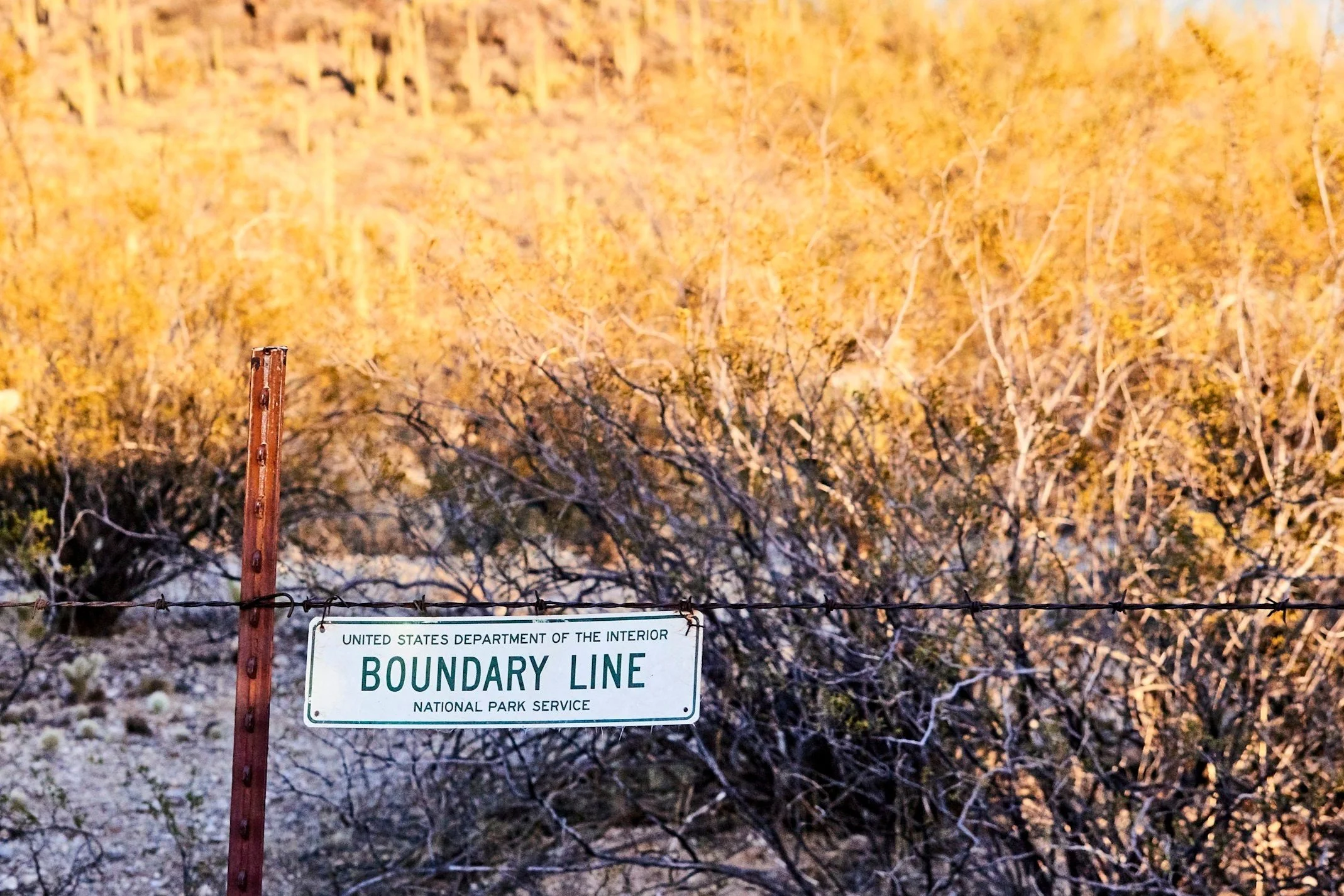
“Evaluating the benefits and drawbacks of any relationship is your responsibility. You do not have to passively accept what is brought to you. You can choose.”
Deborah Day
✨ Real-Life Scenarios
Here are a few everyday situations with examples of how to respond with boundaries and grace:
🚫 When a Friend Always Vents Without Asking:
Try: “Hey, I care about you—but I’m not in the right headspace to take that on today. Can we check in later?”
👨👩👧👦 When a Family Member Pushes Past Your Parenting Rules:
Try: “We appreciate your love for our kids, but we’re asking that you follow our guidelines on screen time when they visit.”
👫 When Your Spouse Dismisses Your Feelings:
Try: “When I share how I’m feeling, I need to know that you’re really hearing me, even if you disagree.”
Take the Next Step!
If this hits home for you, we’d love to walk alongside you. Whether you’re struggling with anxiety, trauma, perfectionism, or just feeling overwhelmed, you don’t have to stay stuck.
✨ Book a therapy session with Prosper Counseling today
📚 Explore our mental health tools and resources
🖥️ Join our newsletter for more free content like this at the bottom of this page.
Let’s help you set the boundaries that bring peace, not guilt.
🧠 You Might Still Wonder...
“Isn’t setting boundaries selfish?”
Not at all. Boundaries help preserve love by preventing resentment. Jesus Himself often withdrew to rest (Luke 5:16) a boundary for himself he needed so he could continue his work. Also a great point to point out here that Jesus did use self-care, and no it wasn’t selfish.
“What if they don’t respect my boundary?”
Then you enforce it. A boundary without consequences is just a suggestion.
Also keep in mind boundaries are more for you than the other person. Boundaries aren’t telling someone how they are going to act or behave around you. Boundaries are the limit you’re willing to enforce and live by in the environment with the other person. So really, boundaries protect you. They are not instructions for someone else. Many folks overlook this key part, which is why folks struggle to hold a boundary. If you want to learn more about what this means or how to enforce boundaries, let’s work together!
“What if I feel guilty?”
Guilt is a sign of growth, not wrongdoing. You’re learning to value your needs alongside others’.
📝 Final Thoughts
Setting boundaries and handling offense well takes courage, practice, and grace. But it’s worth it—because when your peace is protected, your relationships thrive.
You’re not doing this alone. Jesus walked this same earth, loved people deeply, and still said no when He needed to. You have permission to follow His example.
💛 Want More Support?
Read more about therapy, Christian counseling, what it means to prosper in mental health, or managing big feelings or anything else on the blog!
Ready for deep healing that doesn’t take years? Book a consultation today to see if a Prosper Counseling intensive is right for you. We offer intensives for resident of Kansas and Missouri. So if you live in Springfield, Missouri, Kansas City metro, St. Louis, Wichita, Topeka, or anywhere across the Ozarks region, whether you're seeking EMDR trauma work or Christian Counseling Marriage support, we’re here for your next step.
📍 Serving clients virtually in Missouri and Kansas
🌿 Faith-based therapy for women & couples navigating anxiety and trauma
📬 Learn more or schedule a free consultation
📲 Follow on Instagram: @larissa.darter
Let’s jump-start your mental health journey! 👇 Click below to work together.
Looking for more resources? Visit the online shop for free and low-cost downloads. Grab our daily self-care checklist or Bible Reading Plan HERE.