Holiday Anxiety Support in Kansas City: Calm Your Mind and Protect Your Peace
The holidays are supposed to be “the most wonderful time of the year,” but for some to be honest, the season often cranks anxiety up to a 9 out of 10. Can you relate? Your calendar fills up. Your budget feels tight. Family expectations pile on. And somewhere between school performances, church events, and work parties, you’re lying awake at 12 a.m. with your heart racing.
You’re not broken. You’re not ungrateful. You’re overwhelmed.
Let’s talk about how to actually support your anxiety during the holidays instead of just bulldozing your way to January.
Common Signs & Symptoms of Holiday Anxiety
If you’re wondering, “Is this just stress, or is my anxiety flaring up?” here are some signs to watch for:
Racing thoughts – Your brain feels like it’s constantly scanning for the next problem.
Irritability or snapping at loved ones – You’re more reactive, less patient, and everything feels like “too much.”
Physical symptoms – Tension headaches, stomach issues, tight chest, racing heart, feeling wired and exhausted at the same time.
Sleep disruption – Trouble falling asleep, waking up in the middle of the night, or waking up already anxious.
People-pleasing on overdrive – You say “yes” when your body and schedule are screaming “no.”
Dread instead of joy – You’re not looking forward to events. You’re just trying to survive them.
If you’re seeing yourself in that list, you’re not alone. Holiday anxiety is incredibly common—especially for women who are carrying the invisible mental load for everyone around them.
Let’s walk through a few simple, doable ways to navigate it.
Tip 1: Decide What Actually Matters (and Let the Rest Go)
Anxiety loves vague expectations:
“We have to make the holidays magical.”
“I can’t let anyone down.”
“We’ve always done it this way.”
Start by asking yourself two grounding questions:
What do I want my family to remember about this holiday season?
What actually lines up with our values right now?
Maybe it’s slow mornings, a simple tradition, or one meaningful gathering—not 19 events in 12 days.
Then, make two lists:
Must-Keeps: The few commitments or traditions that truly align with your values.
Maybes/Let-Gos: The events, expectations, or “we’ve always done this” items that drain you more than they bless you.
Give yourself permission to release what no longer fits this season of your life. Saying “no” is not failure or weakness—it’s stewardship.
Tip 2: Build in Nervous System Breaks on Purpose
You cannot run your nervous system like it’s on a Black Friday sale—no breaks, no boundaries, all out, all the time.
Support your body with small, consistent resets:
2–5 minute breath breaks
Try box breathing. Breath in for 4 counts. hold for 4 counts, repeat again.
Repeat for a few minutes in the bathroom, in your car, or before you walk into a gathering.
Grounding with your senses
Notice 5 things you can see, 4 you can touch, 3 you can hear, 2 you can smell, 1 you can taste.
This helps pull your brain out of “future what-ifs” and back into the present.
Micro-rests between events
10 minutes of quiet in your room before bedtime.
A short walk around the block after a family meal.
Giving yourself permission to scroll less and breathe more.
You are not weak for needing breaks. You’re human.
Tip 3: Set Clear, Kind Boundaries (Even With Family)
Anxiety often spikes when your body knows your limits, but you ignore it by taking on more commitments, pressing on, or continually taxing your threshold.
Try using simple scripts like:
For events:
“We can come from 2–4 p.m., but we’ll need to head out after that.”For hosting pressure:
“I can’t host this year, but I’d love to bring a side and help clean up.”For hot-button topics:
“I’m not going to talk about politics/parenting choices this holiday. Let’s enjoy our time together.”
Boundaries are not about controlling other people’s reactions. They’re about being clear on what you can and cannot do while staying as kind as possible.
Some people won’t like your boundaries. That’s uncomfortable—but it’s also okay. Their discomfort doesn’t mean you’re wrong.
Tip 4: Make a Plan for Your “Trigger Points”
You probably already know the spots where your anxiety spikes:
Certain relatives
Certain conversations
Overstimulating environments (noise, chaos, mess, crowds)
Money discussions or gift expectations
Instead of hoping this year will magically be different, plan for those moments.
Ask yourself:
“What usually happens right before I spiral?”
“What would help me feel 10% safer or more grounded in those situations?”
Options:
Drive separately so you can leave when you need to.
Step outside for fresh air when conversations heat up.
Have a partner or trusted friend who knows your signal for “I need a break.”
Set a firm budget and stick to it—no guilt spending to cope.
This isn’t you being high-maintenance. It’s you taking responsibility for your mental health.
When It’s Time to Get Extra Support
If your anxiety:
is lasting beyond the holidays,
is impacting your sleep, appetite, or ability to function, or
is bringing up old trauma or panic symptoms—
it’s a sign you deserve more support than self-help alone.
untangle the deeper roots of your anxiety,
understand your nervous system,
build a plan that fits your real life and your real faith,
and walk with you through the messy middle—not just the Instagram moments.
If you’re reading this and thinking, “That’s me. I’m tired of white-knuckling my way through this season,” let’s schedule a free consultation.
You’re allowed to enjoy parts of the holidays again. You’re allowed to protect your peace. You’re allowed to ask for help. And you’re capable of having a plan to help manage every anxious moment this holiday.
A softer, slower Christmas season is calling you.
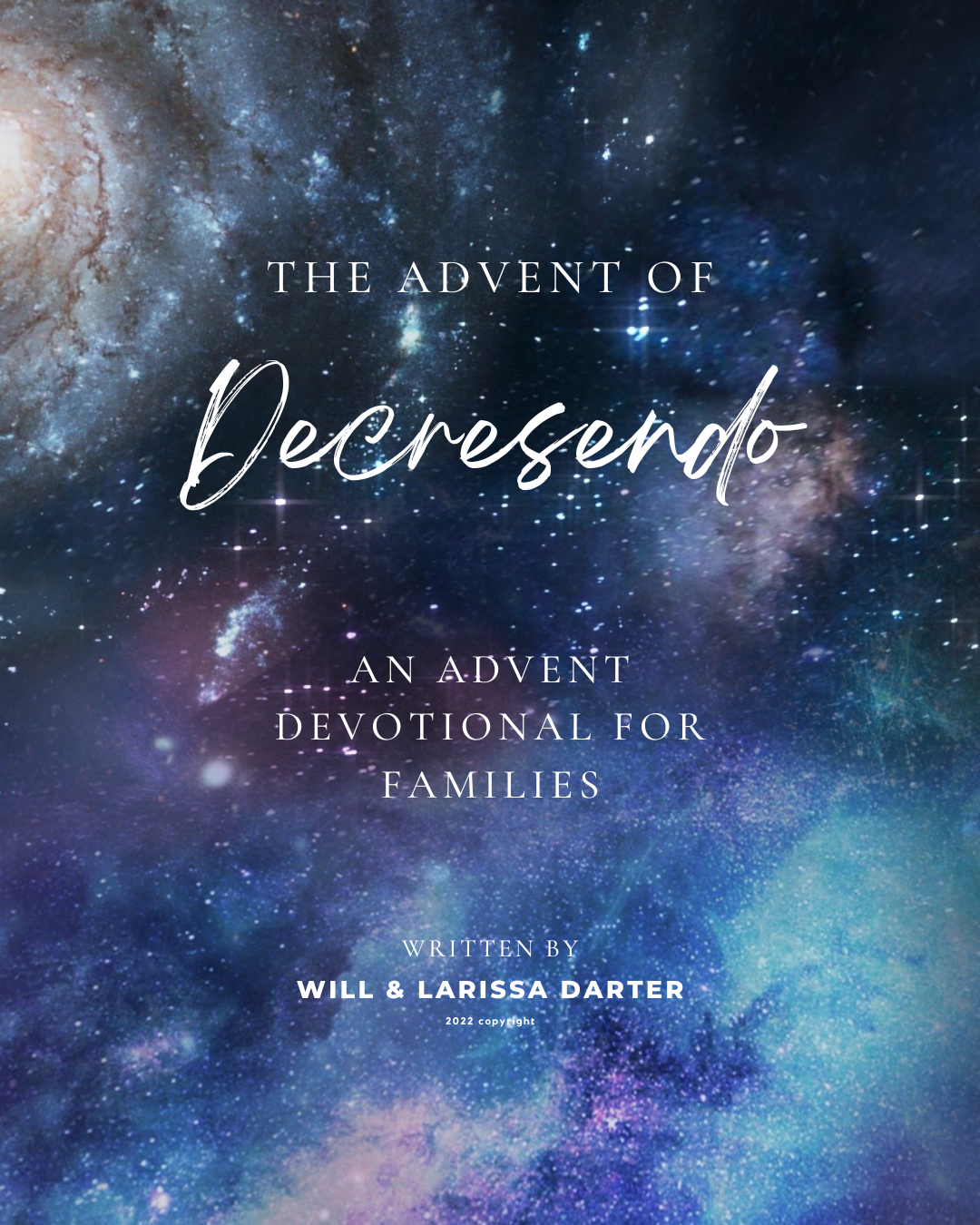
The Advent of Descrscendo
Advent Is the Perfect Time to Slow Down Your Body and Mind
Your nervous system is wired for rhythm, not rush. When you’re constantly jumping between kid activities, Christmas parties, cooking, cleaning, and emotional expectations from extended family, your body enters a state of survival mode.
👉 Download The Advent of Decrescendo
What Support Can Look Like
If you want support navigating anxiety, emotional overwhelm, or the weight of the mental load this season? We’re here for you.
Book a free 15-minute consultation with Prosper Counseling
Therapy can give you:
Language for what’s happening in your body and mind
Practical tools to regulate your nervous system
Support to set boundaries with guilt-free clarity
A safe space to process the grief, pressure, and disappointment that sit under the surface
At Prosper Counseling, we integrate faith and evidence-based care so your body and beliefs work in the same direction. That includes anxiety therapy that honors physiology and story, and EMDR therapy online for Missouri and Kansas clients. EMDR (Eye Movement Desensitization and Reprocessing) helps your brain and body reprocess stuck emotions so that today’s triggers stop borrowing narratives from the past that make you feel burned out, unsafe, or dysregulated.
Many clients find EMDR pairs beautifully with faith. If you’d rather start gently, read more about Anxiety Therapy and EMDR Therapy, then come back when you’re ready.
What you can expect from our approach:
a clear assessment + plan so you’re not guessing
a therapeutic relationship where feelings are contained, not corrected
practical, Christ-centered language for what your body is doing—without shame
pacing that respects your nervous system’s capacity
Let’s help your body feel safe enough to move forward, book an appointment.
Want to learn more about managing anxiety? Download the free guidebook: The Anxiety Reset. Check out our other resources below including our online shop with digital downloads of mental health products!
Order a copy of the book Prosper in Motherhood for yourself or as a Christmas gift!
Serving Springfield, MO; St. Louis, MO; Kansas City, KS; Wichita, KS, and all surrounding metro areas in Kansas and Missouri.
Mental health and life coaching in all 50 states.